
As parents, we want our kids to be happy and grow up well.
But sometimes, even when we try our best, kids can start showing entitled behavior.
I kept seeing this among the kids, and sometimes my kids also have signs of it too. It is really annoying so I went and read up and realise.
This kind of behavior usually comes from not understanding values like gratitude, responsibility, and empathy.
In this article, we will look at some common ways kids might act entitled and how to handle it.
1. Expecting Instant Gratification
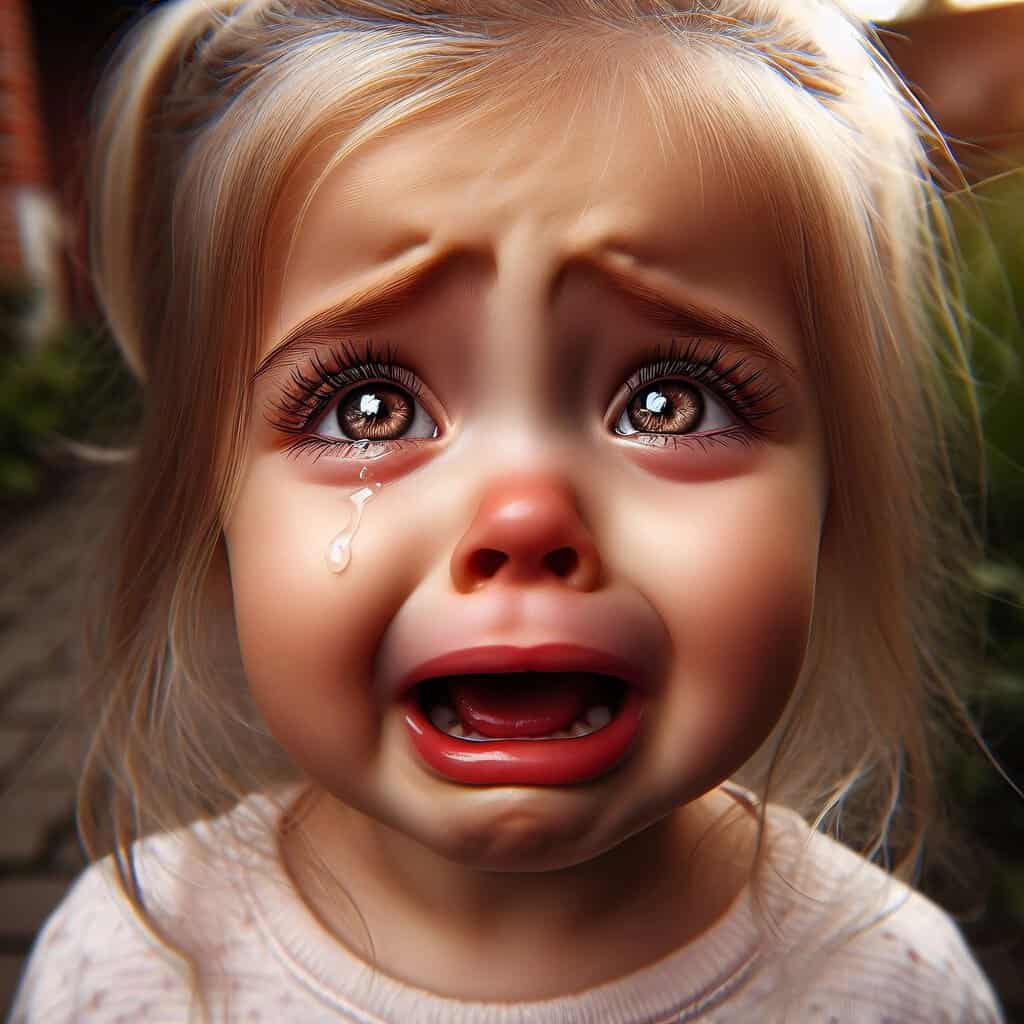
What It Looks Like:
Your child sees a toy in the store and immediately demands to buy it.
If you say no, they start throwing a tantrum.
Typical Response:
They do not want to wait, they argue, and they act out if they do not get what they want straight away.
They do not understand the importance of patience or earning rewards.
How to Handle:
Teach your child to wait and understand the value of working for what they want.
Set clear boundaries and explain why they cannot always get things immediately.
Encourage them to save up for the toy or reward them for good behavior over time.
You can also plan activities that teach patience, like visiting some Indoor Playgrounds in Singapore where they learn to wait for their turn.
2. Lack of Appreciation for What They Have
How It Shows Up:
Your child gets many gifts for their birthday but quickly loses interest and says they are bored.
Common Attitude:
They always want something new and better, without appreciating what they already have.
How to Handle:
Help your child practice gratitude.
You can try things like a gratitude journal or a gratitude jar, where they write down things they are thankful for.
Talk to them about the thought and effort behind each gift.
Take them on experiences that emphasize appreciation, such as Some Local Attractions where they can learn to value moments over things.
To dive deeper into teaching gratitude, read our article on Stop Entitlement in Its Tracks: Teach Your Kids Gratitude Before It’s Too Late.
3. Disrespecting Authority or Rules
Signs to Watch For:
Your child argues with teachers or you about following rules, thinking they should get special treatment.
Behavioral Traits:
They ignore instructions, talk back, or challenge the rules because they think they are above them.
How to Handle:
Set clear rules and stick to them.
Make sure your child understands that everyone, including them, must follow the same guidelines.
Talk to them about why rules are important and how they help everyone.
Visiting places with structured environments, like overseas trip, or local playgrounds can teach them the importance of respecting rules in different settings.
4. Refusing to Share
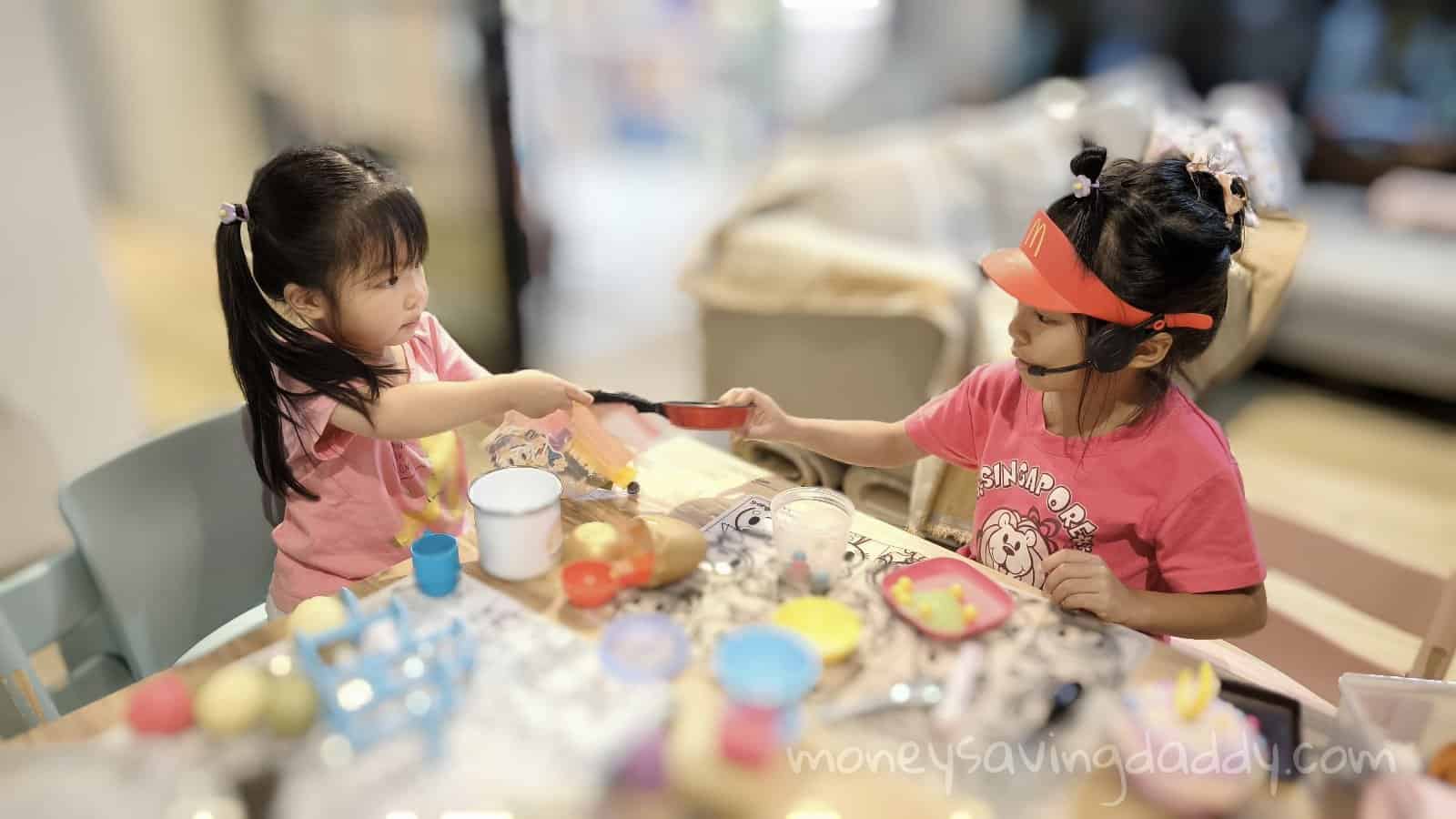
How It Shows Up:
During playtime, your child hoards all the toys and refuses to let other kids play with them.
Underlying Behavior:
They show selfishness and expect others to always give in to their wishes.
They do not care about other kids' feelings.
How to Handle:
Model sharing behavior yourself and praise your child when they share.
Create situations where they need to share, like playdates.
Explain how sharing can make others happy.
Encourage sharing through activities that require cooperation, where they learn to work together.
5. Inability to Handle Disappointment
What It Looks Like:
When your child does not win a game or does not get picked first, they sulk, blame others, or give up.
Typical Reactions:
They cannot handle not getting what they want and show poor sportsmanship.
How to Handle:
Teach your child that disappointment is a part of life.
Encourage them to try again and praise their effort, not just the result.
Role-play different scenarios to practice positive reactions.
Consider starting them on a Balance Bike, which can help build resilience through practice and perseverance.
6. Expecting Special Treatment
Signs to Recognize:
Your child expects to be served first at a family gathering or allowed to stay up later than everyone else, just because they want it.
Characteristic Behavior:
They feel superior and think rules do not apply to them.
They expect others to always cater to their preferences.
How to Handle:
Teach your child that everyone is equal and deserves respect.
Use everyday examples to explain why it is important to consider others' needs and feelings.
Encourage them to be fair in their interactions.
7. Blaming Others for Their Mistakes
What It Looks Like:
When something goes wrong, your child blames siblings, friends, or even you, refusing to take responsibility.
Typical Reactions:
They avoid accountability and think they should not face consequences for their actions.
How to Handle:
Encourage your child to take responsibility for their mistakes.
Explain that everyone makes mistakes and it is okay, as long as they learn from them.
Praise them when they admit their errors and work to fix them.
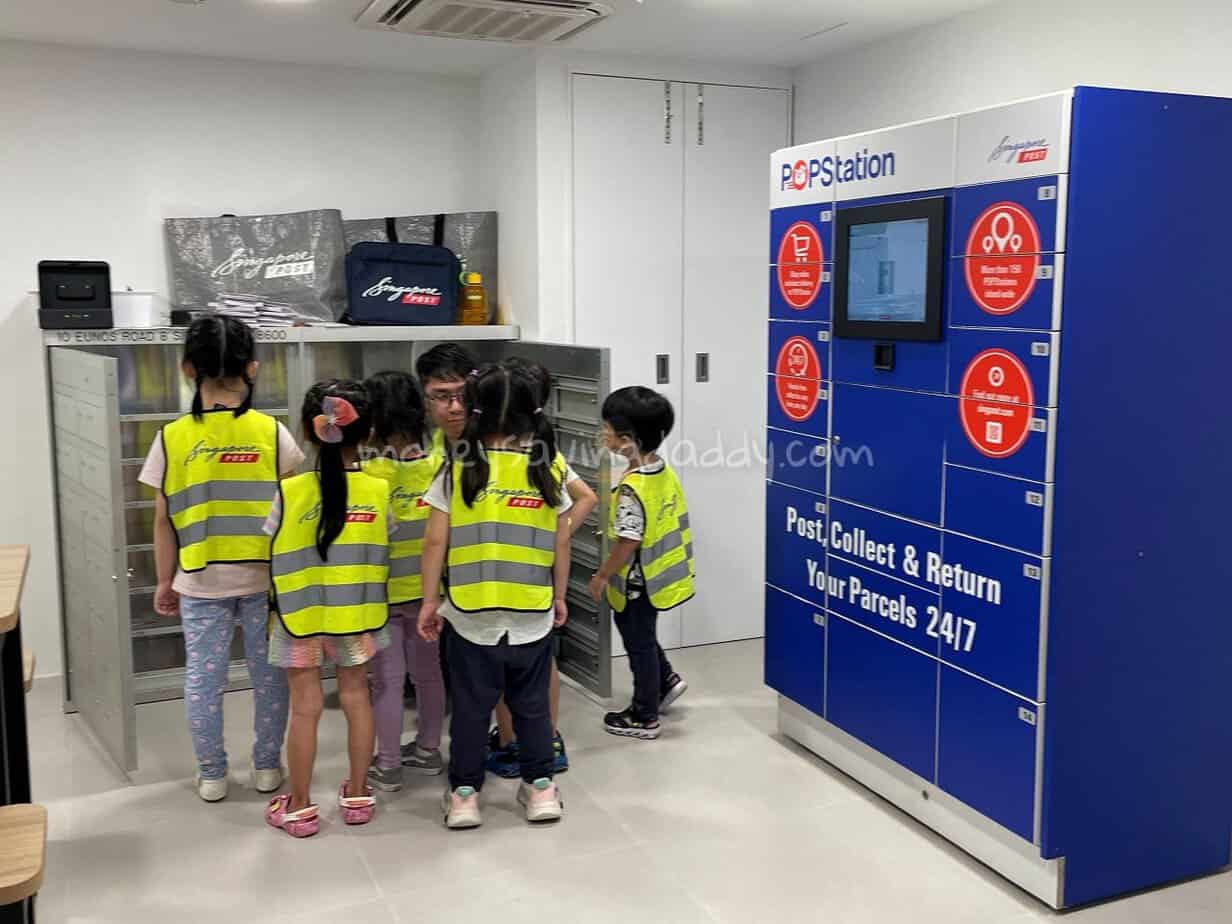
Engage them in activities that promote teamwork and responsibility, such as Indoor Activities for Kids that require following rules and working together.
Final Thoughts
Entitled behavior can happen when kids do not learn the value of gratitude, responsibility, and empathy.
By addressing these issues early and consistently, you can help your child become more considerate and appreciative.
Remember, it is not about punishing them, but guiding them to develop healthy, respectful, and empathetic behaviors.
We are still learning how to better parents, hopefully some day it will get better.